
Choosing a taxi should feel simple, but for some travellers, pricing is where confusion begins. You get in, start the journey, and only then realise you are unsure how the fare is being calculated. Is it running on a meter, or was a fixed price agreed earlier? That small detail can make a big difference to how comfortable and confident you feel during the ride.
Understanding Fixed Fare and Metered Taxi Services helps you avoid surprises, plan better, and choose the option that suits your journey. Whether you are heading to the airport, travelling across the city, or visiting somewhere new, knowing how these two systems work puts you in control.
This guide explains both options in plain language, compares their strengths and limitations, and helps you decide which one best fits your travel needs.
What Fixed Fare and Metered Taxi Services Really Mean
At the most basic level, the difference comes down to certainty versus flexibility. A fixed fare taxi offers a pre-agreed price before the journey starts. A metered taxi calculates the cost as you travel, based on time and distance.
Both systems are widely used in the UK and are regulated to protect passengers, but they suit different types of trips. Understanding when each option works best can save you stress, time, and confusion.
What Is a Fixed Fare Taxi?
A fixed fare taxi is one where the total cost is agreed in advance, usually at the time of booking. Once confirmed, the price stays the same, regardless of traffic delays, roadworks, or diversions.
This system is commonly used for pre-booked journeys, especially airport transfers and longer trips.
Why Travellers Choose Fixed Fare Taxis
One of the main reasons people prefer fixed fare taxi UK services is peace of mind. You know what you are paying before you step into the vehicle.
Fixed fares are especially helpful when:
- You are travelling to or from the airport
- You want to budget your travel costs clearly
- You are on a tight schedule
- You want to avoid thinking about traffic delays
For many passengers, the biggest benefit is mental comfort. There is no need to watch the clock or wonder how congestion might affect the final price.
Things to Keep in Mind with Fixed Fares
Fixed fares are usually based on an agreed route and destination. If you need to make extra stops or change plans mid-journey, the fare may need to be adjusted. This does not make fixed fares a bad option, but it does mean clarity at booking matters.
What Is a Metered Taxi?
A metered taxi calculates the fare during the journey. The meter starts at a base rate and increases based on how far you travel and how long the trip takes.
Metered taxis are common for street pickups, taxi ranks, and short local journeys.
Why Some Travellers Prefer Metered Taxis
Metered taxi comparison often shows that this option works well for short, simple trips where traffic is light and the route is straightforward.
Metered taxis can be a good choice when:
- You are travelling a short distance
- You need flexibility to change direction
- You have not pre-planned the journey
- You want to pay strictly for usage
Because rates are regulated, passengers can trust that the meter follows official guidelines.
Challenges with Metered Pricing
The main downside of metered taxis is unpredictability. Traffic delays, road closures, or slow movement can increase the final fare. This can make budgeting difficult, especially during peak hours or busy travel periods.
Fixed Fare and Metered Taxi Services Side-by-Side
Here is a simple comparison to help you decide.
- Pricing method
Fixed fare taxis use a price agreed before travel.
Metered taxis calculate cost as the journey progresses. - Cost certainty
Fixed fares stay the same.
Metered fares can rise with time and traffic. - Best suited for
Fixed fares work well for longer journeys and airport taxi pricing needs.
Metered taxis are ideal for short city trips. - Impact of traffic
Traffic does not change a fixed fare.
Traffic can increase a metered fare. - Budget planning
Fixed fares make budgeting easier.
Metered fares are harder to predict.
When Fixed Fare Taxi UK Services Make More Sense
Fixed fares are often the smarter choice when predictability matters more than flexibility.
They are commonly preferred for:
- Airport transfers
- Business travel
- Early morning or late-night journeys
- Travel during busy periods
For airport taxi pricing, fixed fares reduce stress. You do not need to worry about flight delays turning into higher ground transport costs.
When Metered Taxis Are the Better Option
Metered taxis still play an important role and can be the right choice in many situations.
They work best when:
- The journey is short
- You are travelling locally
- Traffic conditions are calm
- You need spontaneous travel
If you are moving around town without a strict schedule, metered taxis offer flexibility without pre-planning.
How UK Taxi Regulations Protect Passengers

Both systems operate under local licensing rules designed to protect travellers.
Key protections include:
- Regulated rate cards
- Licensed drivers and vehicles
- Calibrated meters
- Clear display of fares
Taxi fare guide UK standards ensure that, whether you choose fixed or metered, you are not left guessing or exposed to unfair practices.
How to Avoid Fare Confusion or Disputes
Most issues arise from unclear communication, not bad intentions.
You can avoid problems by:
- Asking whether the fare is fixed or metered before travel
- Confirming details at booking
- Requesting a receipt after the journey
- Using licensed and reputable services
A simple question at the start of the journey can prevent misunderstandings at the end.
Choosing What Works Best for You
There is no universal answer to the fixed fare vs metered debate. The right option depends on your journey, timing, and comfort level.
Choose fixed fares if you value certainty, planning, and calm travel.
Choose metered taxis if you value flexibility, short trips, and spontaneity.
Once you understand the difference, the decision becomes straightforward.
If You are Travelling to Edinburgh for the First Time

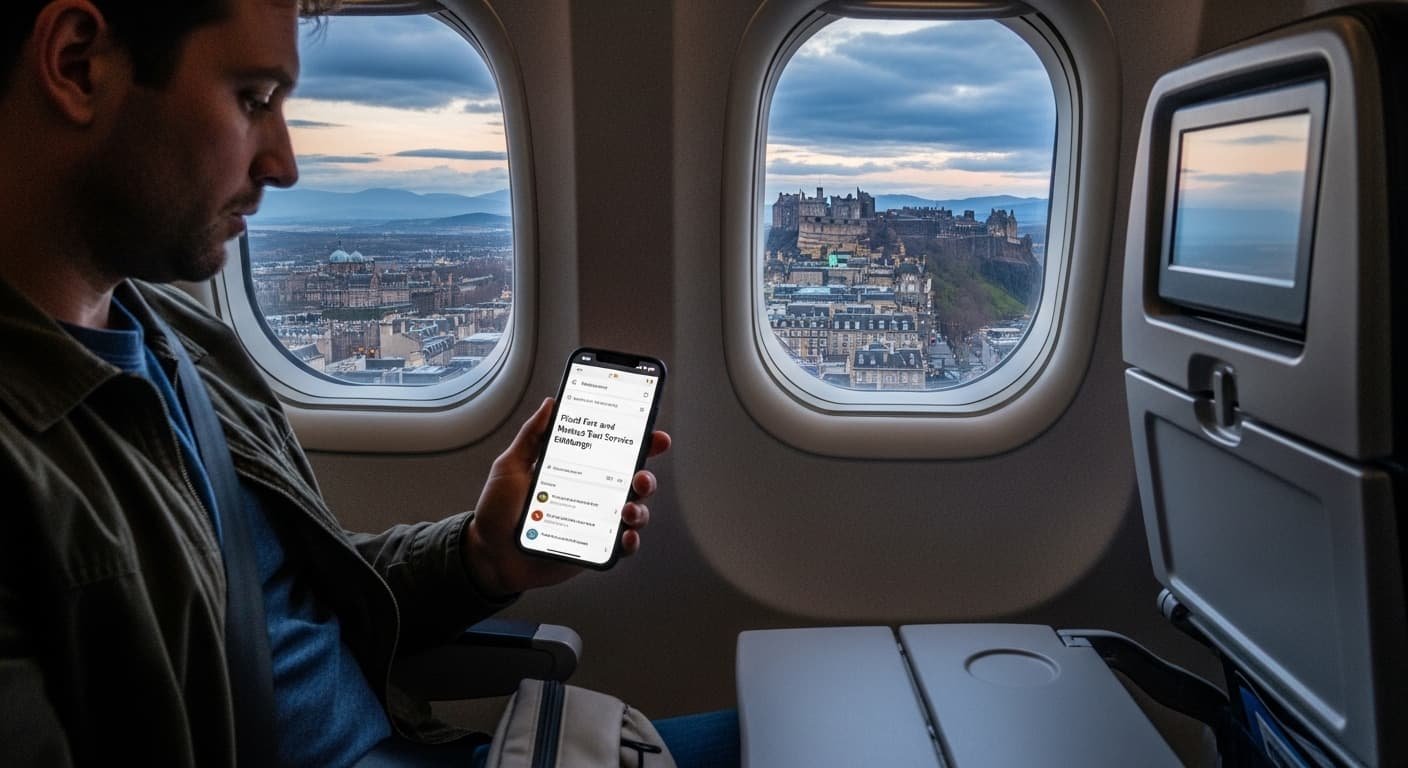
If Edinburgh is your first stop, getting around with confidence makes your trip more exciting. The city’s mix of historic streets, busy areas, and seasonal crowds means journey times can vary, especially if you are unfamiliar with local routes. Knowing how taxi services work helps you avoid uncertainty and start your visit feeling relaxed.
Understanding Fixed Fare and Metered Taxi Services gives first-time visitors a clear advantage. Fixed fares offer certainty and peace of mind because the price is agreed before the journey begins, regardless of traffic or delays.
This is why many travellers choose professional airport services, which provide fixed fares that make airport arrivals and departures simple and stress-free.
Metered taxis offer flexibility and can be useful once you are settled and comfortable moving around the city. Neither option is better in every situation, but both have a clear place. When you choose based on your journey type rather than habit, taxi travel in Edinburgh becomes easier, calmer, and more predictable.
Frequently Asked Questions
Are fixed fare taxis always more expensive?
Not always. Fixed fares can feel higher at first, but they protect you from traffic delays and long wait times that can raise metered costs. For longer or unpredictable journeys, fixed fares often offer better value.
Can a journey switch from fixed fare to metered?
This depends on the agreement made before travel. If the route or destination changes, the driver may need to revise the fare. Clear communication at the start helps avoid confusion.
Do metered taxis charge extra during traffic?
Metered taxis increase charges based on time and distance. Slow traffic or stops can raise the final cost, which is why budgeting can be harder with this option.
Is one option safer than the other?
Safety depends on licensing and driver standards, not the pricing method. Both fixed fare and metered taxi services are safe when operated by licensed providers.
Which option is better for visitors unfamiliar with a city?
Fixed fares are often easier for visitors. Knowing the price in advance reduces stress, especially when navigating a new place or travelling after a long journey.